

The Existential Weight of Pool Vacuums: A Deep Dive into Domestic Labor" explores the significance and impact of pool vacuums on your experience of maintaining domestic spaces. The veritable ocean of labor that constitutes domestic maintenance is replete with artifacts and devices designed to tackle what might seem like menial tasks, yet it speaks volumes about our relationship with our living spaces. Amidst this context, "pool vacuums" emerge not merely as utilitarian tools but as significant symbols of the modern condition, highlighting a complex interplay of duty, leisure, and existential weight.
Understanding Pool Vacuums: More than Just Tools
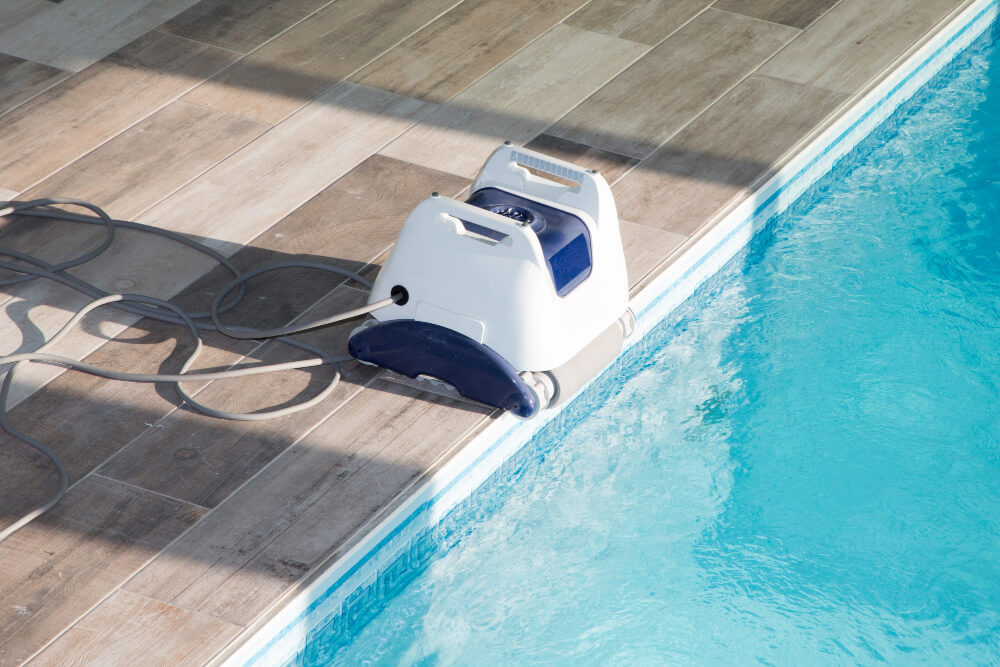
Pool vacuums are mechanical devices designed for the purpose of cleaning swimming pools. Whether your pool is above ground or inground, regular maintenance is critical to ensure that the water remains clear and safe for swimming.
Types of Pool Vacuums
In the original notion of pool maintenance lies a variety of vacuum types, each catering to specific needs and pool designs. Understanding these can help you make informed decisions on which vacuum best suits your requirements.
Manual Pool Vacuums
Manual pool vacuums rely on your physical effort to operate. These devices typically consist of a vacuum head connected to a pole and a hose, which attaches to the skimmer or dedicated suction line. Although they require more effort, they can be effective for spot cleaning and have the advantage of being less expensive than their automatic counterparts.
Automatic Pool Vacuums
Automatic pool vacuums operate on their own, navigating your pool's bottom and sides with minimal human intervention. They come in various models, such as:
- Suction-side vacuums: Use your pool's filtration system to create suction.
- Pressure-side vacuums: Utilize a separate pressure line to function independently of your filtration system.
- Robotic vacuums: They are fully self-contained, equipped with their filtration systems and power supply. They often come with advanced features like programmable routes and the ability to climb walls.
In Austin, Texas, for example, where the heat demands constant pool upkeep, automatic vacuums become invaluable for pool owners seeking efficiency gained through modern technology.
How Pool Vacuums Work
Understanding the mechanics behind pool vacuums helps demystify their operation and underscores their importance in pool maintenance.
- Suction: For suction-side vacuums, suction is created through the existing pool pump and filter system. By creating a vacuum, debris and dirt are sucked into the hose and into the filter system.
- Pressure: Pressure-side vacuums work by pushing water into the vacuum, drawing up debris through the vacuum head into a separate bag or filter.
- Electrical and Robotics: Robotic vacuums navigate a pool using built-in programs, scanning the pool for obstacles, mapping effective cleaning routes, and collecting debris in onboard filters.
The Importance of Regular Pool Maintenance
While pool vacuums are the tools of the trade, regular maintenance extends beyond merely running the vacuum. Understanding why consistent cleaning and care are crucial contributes to both the aesthetic and functional longevity of your swimming pool.
- Health and Safety: Pools that are not maintained properly can harbor bacteria and algae, leading to health risks for swimmers. Regular cleaning through vacuums prevents these issues.
- Longevity of Equipment: The build-up of dirt and debris can lead to strain on the pool’s equipment. Pool vacuums help in reducing wear and tear, thus preserving the lifespan of your filtration system.
- Aesthetic Appeal: A clean pool is inviting and can enhance the overall appearance of your backyard. It signifies a level of care that can affect property value, which is of particular importance in competitive housing markets.
The Exercise of Domestic Labor: A Closer Look
Delving into the underlying themes of domestic labor reveals the nuanced responsibilities that come with owning a home and maintaining a pool. This section explores the existential burdens that accompany routine chores and how tools like pool vacuums bear witness to these struggles.
The Significance of Domesticity
The modern conception of domestic labor goes beyond the mere fulfillment of chores; it encapsulates psychological and emotional complexities. Engaging deeply with these tasks can lead to revelations about identity, value, and self-worth.
Engagement with Routine
While tasks such as vacuuming may seem trivial, they often become rituals that ground you amidst the chaos of modern life. Engaging with pool maintenance not only fosters a sense of accomplishment but also offers moments for reflection in the meditative quality of repetitive tasks.
The Burden of Labor
However, the time and effort devoted to domestic labor can invoke feelings of weariness and disillusionment. The societal expectation to maintain pristine living conditions can feel daunting.
Societal Expectations
There exists a cultural expectation tied to domesticity that is deeply entrenched within various communities. In places like Los Angeles, California, maintaining beautiful outdoor spaces is often seen as a social norm, reflecting not just personal choice but a greater societal pressure.
Gender Roles in Domestic Labor
Historically, domestic labor has often fallen disproportionately to women, leading to an ongoing dialogue about gender roles in household maintenance. The availability of tools such as pool vacuums and other advancements in pool cleaning technology can be interpreted as both liberating and burdensome.
The Psychological Weight of Maintenance
Your approach to pool care often reveals more than just a commitment to cleanliness; it reflects underlying fears, aspirations, and societal norms. This psychological burden can profoundly impact your relationship with domestic spaces.
The Need for Control
Taking charge of your pool's cleanliness can symbolize a broader need for control over one's environment. In turbulent times, engaging with routine maintenance offers a comforting facade of order amidst chaos.
The Emotional Toll of Neglect
Conversely, neglecting pool maintenance can reflect deeper psychological struggles. A neglected pool may evoke feelings of shame or anxiety, leading to a complex relationship with domestic upkeep.
Acceptance of Imperfection
Understanding that perfection is neither achievable nor necessary can transform your relationship with domestic tasks. Embracing the imperfections associated with maintaining your pool and home can lead to greater satisfaction and acceptance.
The Economies of Pool Maintenance
Investing in tools like pool vacuums involves a financial consideration that varies based on your location, the type of pool you own, and the maintenance habits you adopt. This section delves into the economic implications of pool ownership and maintenance.
Initial Costs
The initial costs associated with purchasing a pool vacuum can vary widely based on the type and features offered. Here's a rough breakdown of average prices you might encounter:
Type of Pool Vacuum Average Price Range
| Manual | $50 - $200
| Suction-side | $150 - $500
| Pressure-side | $300 - $700
| Robotic | $500 - $1,500
Determining budget adequacy for a vacuum that caters to your specific swimming pool type is crucial for ensuring sustained pool cleanliness.
Long-Term Maintenance Costs
Beyond upfront expenses, you will encounter ongoing costs associated with pool maintenance. These expenses include:
- Chemicals: Required to keep your pool water balanced and safe.
- Electricity: Costs associated with running your pool's filtration system and vacuuming devices.
- Repairs and Replacements: Equipment will wear out over time and necessitate repairs or replacements.
When located in places like Florida—known for its year-round pool culture—acknowledging these long-term financial considerations becomes even more vital.
Value vs. Enjoyment
In terms of pool maintenance, the time and money invested can yield enjoyment and relaxation opportunities. Understanding this dynamic can help frame your domestic responsibilities in a more positive light.
The Future of Pool Maintenance Technology
As you consider the existential weight of pool vacuums and domestic labor, it’s noteworthy to examine emerging trends in pool maintenance technology. These advancements promise not only greater efficiency but also a re-examination of the relationship between labor, leisure, and technology.
Smart Pool Technologies
With technological advancements, smart home integrations extend to pool care through smart vacuums, sensors, and apps. These devices enhance user experience by automating numerous cleaning processes, allowing users to monitor their pool from their smartphones.
Environmental Considerations
In our evolving awareness of ecological concerns, energy-efficient pool vacuums and cleaning methods provide avenues for reduced water usage and energy consumption. New technologies aim to limit the carbon footprint associated with pool cleaning.
The Philosophical Implications of Automation
As automated technologies take over manual labor, questions arise about the value of work and the existential weight of tasks we assign meaning to. Understanding this shift necessitates a nuanced perception of how domestic labor reflects not only individual choices but also collective societal values.
Conclusion: Embracing the Existential Weight
As you step into the realm of pool maintenance, viewing pool vacuums as more than mere cleaning devices is essential. They embody the intricate tapestry of domestic labor, interwoven with the threads of routine, expectation, and existential inquiry. Understanding this enables a deeper appreciation for the work involved in maintaining not only your pool but also the life you curate around it.
In confronting the weight of domestic responsibilities, you can embrace the challenges with a thoughtful approach, one that values the interplay of labor and leisure while acknowledging the multitude of factors that shape your experiences. Recognizing the philosophical underpinnings of your relationship with tools like pool vacuums allows for a more profound exploration of self and space, ultimately leading to a more satisfying engagement with the domestic sphere.