

The "Essential Guide to Pool Thermometers for Accurate Water Temperature Monitoring" provides you with key insights on selecting the best pool thermometers to ensure precise water temperature measurements. Monitoring the water temperature in your pool is crucial for various reasons, including comfort, safety, and maintenance. This essential guide to pool thermometers will equip you with the knowledge necessary to select the right device for accurate water temperature monitoring. Understanding the types of pool thermometers and their respective benefits will empower you to create a more enjoyable swimming environment in your very own oasis.
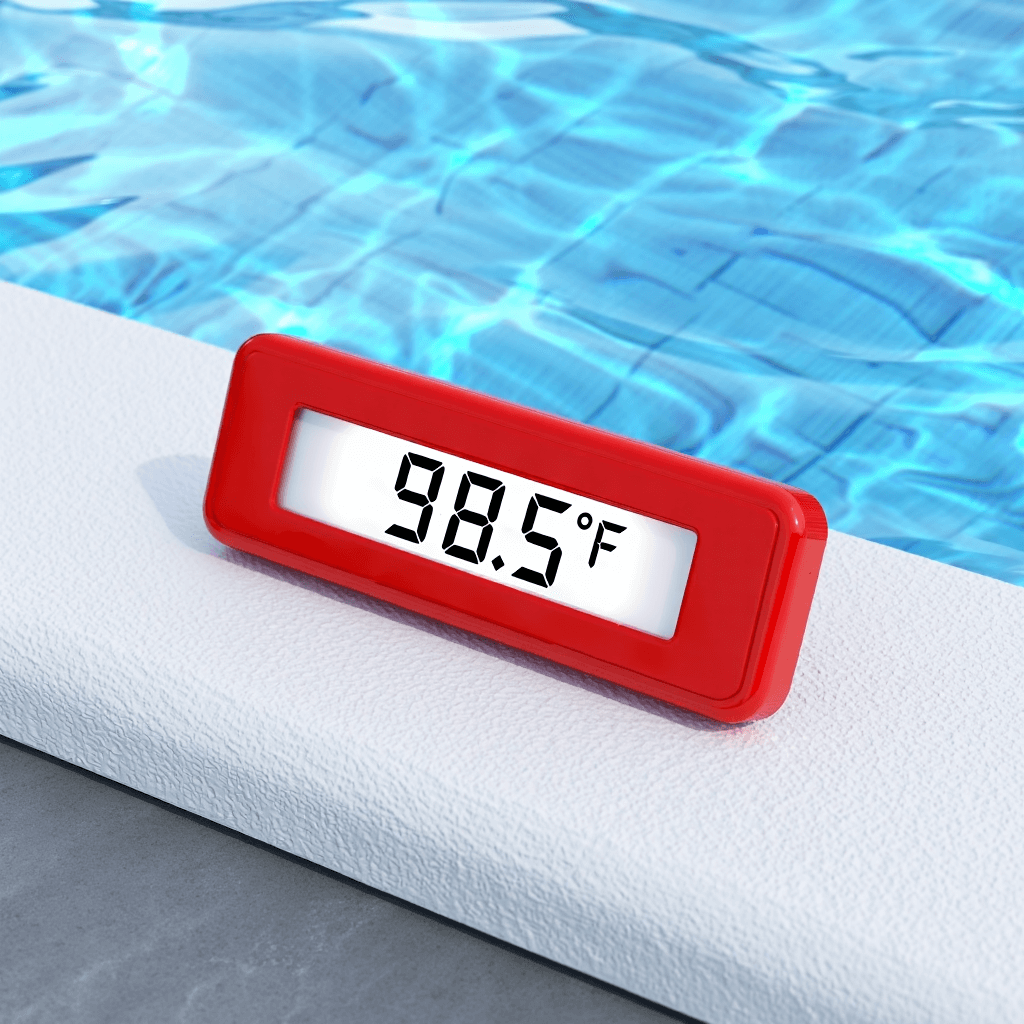
Understanding the Importance of Accurate Temperature Monitoring
Benefits of Monitoring Pool Temperature
Accurate monitoring of pool temperature can lead to various advantages:
- Enhanced Swim Experience: Knowing the ideal temperature helps ensure that your pool is always inviting, allowing for more spontaneous swimming sessions.
- Maintenance of Water Quality: With proper temperature management, you can reduce the likelihood of algae formations and ensure that chlorine levels remain effective.
- Safety Precautions: You can help prevent hypothermia and overheating among swimmers, especially vulnerable individuals such as children and older adults.
By being cognizant of these benefits, you can appreciate the role of pool thermometers more profoundly.
Types of Pool Thermometers
When exploring the diverse spectrum of pool thermometers available on the market, you’ll encounter a range of features and functionalities. Here is an overview of the types you'll encounter, including their advantages and disadvantages.
Floating Pool Thermometers
Floating pool thermometers are perhaps the most common variant you’ll find. These devices rest on the water's surface, providing you with a clear digital or analog readout of the water temperature.
- Advantages:
- Easy to read and usually very visible.
- No installation required; simply place them in the water.
- Disadvantages:
- Might move with currents, which can be distracting.
- Mostly limited to surface temperature readings.
Floating thermometers are ideal for casual pool owners who want simplicity and ease of use without extensive technical knowledge.
Wall-Mounted Thermometers
Wall-mounted options provide a more permanent solution, allowing for constant monitoring without the need to lean over or search.
- Advantages:
- Accurate readings directly at the poolside.
- Helps maintain the aesthetics of the pool area.
- Disadvantages:
- Installation might require some tools and expertise.
- Fixed position limits the ability to gauge temperature at different depths.
These are optimal for serious pool owners who prefer a sleek and integrated appearance while keeping their finger on the pulse of pool conditions.
Submersible Thermometers
If you're seeking detailed temperature data from different depths, submersible thermometers are the way to go. These devices are often used in larger pools and spas.
- Advantages:
- Provides multi-depth readings.
- Often digital, displaying temperature clearly.
- Disadvantages:
- Can be more costly than basic options.
- May require calibration to maintain accuracy.
For those who are dedicated to maintaining exact temperature control for their pool's unique needs, submersible thermometers are a sound investment.
Smart Pool Thermometers
Leveraging modern technology, smart pool thermometers connect to your smartphone via Bluetooth or Wi-Fi, offering real-time data and analytics.
- Advantages:
- Allows for comprehensive monitoring via mobile devices.
- Some models provide alerts for fluctuations in temperature.
- Disadvantages:
- Costlier than traditional models.
- Dependency on electricity and Wi-Fi connectivity.
These models appeal to tech-savvy pool owners looking for the most advanced monitoring capabilities without having to constantly check manual devices.
Choosing the Right Pool Thermometer
When it comes time to select a pool thermometer, several factors may guide your decision-making process. Understanding these factors can help you make an informed choice tailored to your specific needs.
Consider Your Pool Size and Type
The size and type of your pool can significantly impact your choice in thermometers. For instance, larger pools may necessitate submersible options to gauge temperatures accurately at different depths, while smaller above-ground pools might be just fine with floating models.
Accuracy and Calibration
Different thermometers vary in their accuracy rates. Floating thermometers might suffice for general use, but if you're particular about precision, consider investing a bit more in models that offer calibration options or advanced digital readings.
Ease of Use
If you’re not particularly keen on technology, a simple floating thermometer may be your best option. However, if you’re comfortable with apps and are looking for advanced features, smart thermometers can streamline your monitoring process.
Budget Constraints
Deciding how much you are willing to allocate to a pool thermometer will narrow your choices significantly. While it’s tempting to opt for the cheapest option available, investing in a more reliable and accurate thermometer typically pays off in terms of longevity and usability.
Checking Customer Reviews
Before finalizing your choice, delve into customer reviews. Feedback from other users offers insights into the long-term performance of the thermometer and can highlight issues you might not have considered initially.
Maintaining Your Pool Thermometer
Once you’ve acquired a pool thermometer, you'll want to ensure it remains accurate and functional for the long haul. Regular maintenance is essential for preserving its integrity and reliability.
Calibration Tips
Depending on the specific model, calibration might be necessary to maintain accuracy:
- Review User Manual: Always consult the manufacturer’s instructions for specific calibration recommendations.
- Monitor Regularly: Take periodic readings to gauge the thermometer's accuracy over time against a known correct temperature.
Cleaning Protocols
Keeping the thermometer clean contributes enormously to performance efficiency:
- Gentle Cleaning: Use a soft cloth and non-abrasive cleaners to ensure you don’t damage the thermometer's surface.
- Rinse After Use: Especially for thermometers that have been submerged, rinse with fresh water to remove any chemicals or debris.
Storage Considerations
When not in use, it’s important to store your thermometer properly to avoid damage:
- Indoor Storage: For floating and wall-mounted models, consider bringing them indoors during off-seasons or inclement weather.
- Protect from Extreme Temperatures: Store thermometers in areas less susceptible to extreme heat or cold, as this could affect functionality.
Conclusion
The role of a pool thermometer in maintaining water quality and enhancing the overall swimming experience cannot be understated. Choosing the right one requires consideration of various factors such as the type of pool you own, your budget, and how much effort you're willing to put into monitoring water temperature.
Remember that regular maintenance of your thermometer is critical to ensuring its longevity and accuracy. By doing so, you'll not only preserve your investment but also create a swimming environment that's comfortable and safe for everyone. As you dive into the pool ownership experience, make accurate water temperature monitoring a central tenet of your maintenance routine. Your swimmers will thank you, and your pool will flourish as a healthy, inviting environment.