
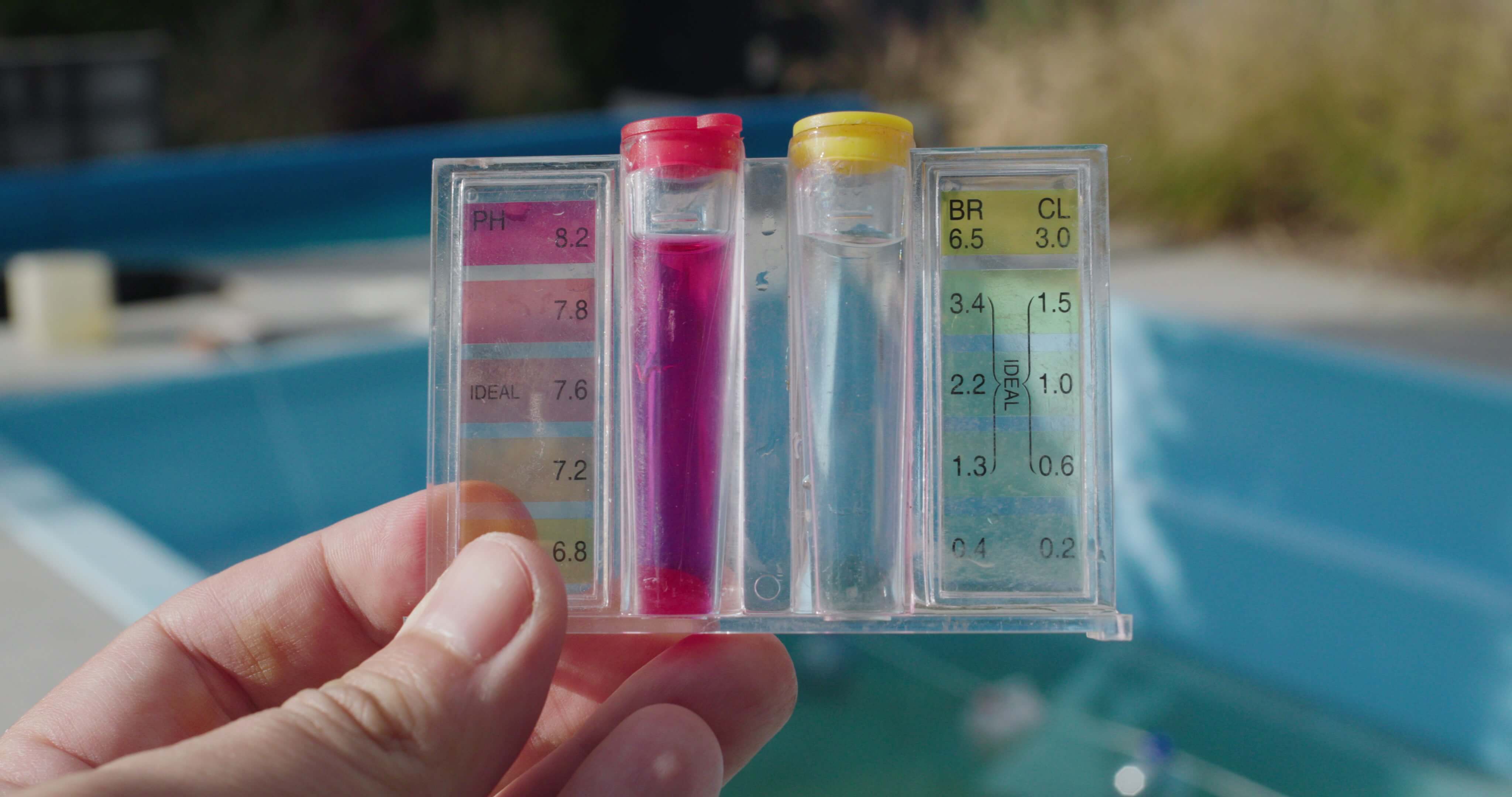
You will find essential information regarding pool test kits designed to ensure pristine waters for your swimming experience. If you want to maintain a dazzling pool that invites you in for a refreshing dip, understanding the right tools and methods for testing your water quality is essential. Pool test kits are not just useful; they're downright imperative for ensuring pristine waters. In this comprehensive guide, you will learn about the different types and key components of pool test kits, why you need them, and how they help in maintaining water purity.
Understanding Pool Test Kits
The Importance of Water Testing
You might be wondering, why is water testing such a big deal? Well, unmonitored water can lead to several issues that can affect not only your pool’s aesthetic appeal but also the health of anyone who swims in it. Proper testing helps ensure that your water remains friendly and safe. Moreover, balanced water chemistry can prevent equipment corrosion and algae growth.
Types of Pool Test Kits
Understanding the various types of pool test kits available can help you make an informed decision on which one to choose. Each type has its pros and cons, depending on your specific needs and preferences.
1. Test Strips
Test strips are incredibly user-friendly and convenient for quick checks. These strips come with color-coded pads that react when dipped in water. The resulting colors indicate the concentration of different chemical levels in your pool.
Advantages
- Speed: They provide quick results in mere seconds.
- Ease of Use: Just dip and compare!
Disadvantages
- Less Accurate: Strips may not give precise readings compared to other methods.
- Limited Testing Options: Usually, they test only a few parameters.
2. Liquid Test Kits
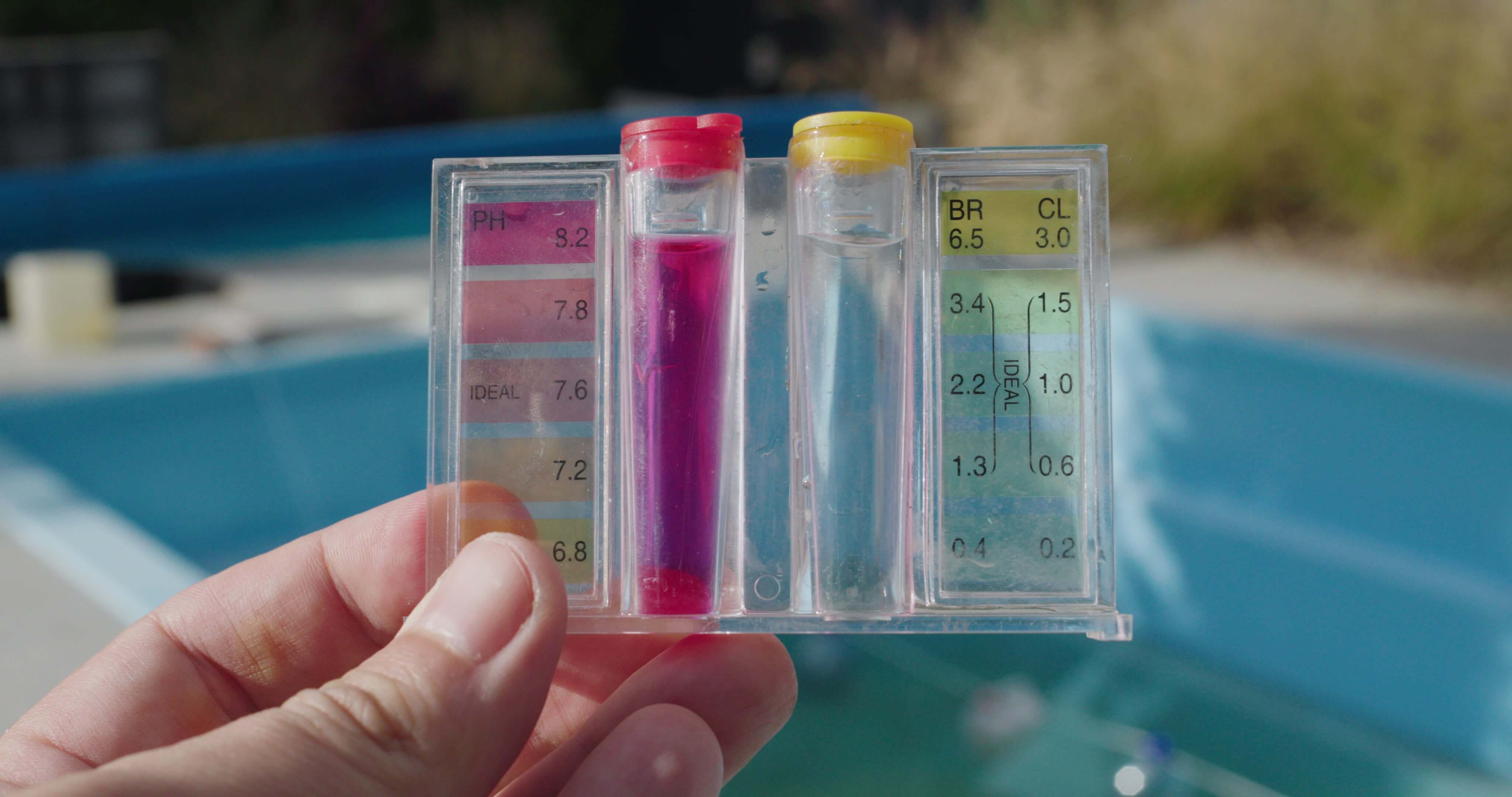
Liquid test kits are more labor-intensive but often produce more accurate results. They typically consist of reagents and vials into which you add a water sample. The color change after the addition of reagents allows you to read the chemical levels.
Advantages
- Accuracy: Generally provides more reliable readings.
- Comprehensive Testing: Can test for a wider range of chemical parameters.
Disadvantages
- Complexity: Takes more time and effort to perform tests.
- Higher Initial Cost: These kits typically require more investment.
3. Digital Testers
Digital testers are the latest technology on the scene. These electronic devices can measure various parameters electronically, often displaying both pH and chlorine levels on a digital screen.
Advantages
- Precision: Provides highly accurate measurements.
- Ease of Use: Often requires just a simple immersion in water.
Disadvantages
- Cost: They tend to be the most expensive option.
- Calibration Requirements: May require periodic manual calibration for consistent accuracy.
Key Parameters to Test
When it comes to maintaining pristine waters, the following parameters are critical. A robust pool test kit should encompass each of these aspects to help you achieve water quality that meets national safety standards.
pH Level
The pH level indicates whether your pool water is acidic or alkaline. Ideal pH levels for swimming pools range between 7.2 and 7.8.
Importance
- Comfort: Proper levels prevent skin and eye irritation.
- Sanitization: pH affects the effectiveness of chlorine.
Free Chlorine
Free chlorine is the most crucial sanitizer in pools, responsible for killing harmful bacteria and pathogens. The ideal range is typically between 1.0 and 3.0 parts per million (ppm).
Importance
- Safety: Low levels increase the risk of harmful organisms.
- Clear Water: Helps keep the pool clear and inviting.
Total Alkalinity
Total alkalinity acts as a buffer system, helping to prevent drastic pH swings. Ideally, it should be between 80 and 120 ppm.
Importance
- Stability: Prevents pH fluctuations, maintaining water balance.
- Corrosion Avoidance: Protects pool surfaces and equipment from corrosion.
Calcium Hardness
This parameter measures the calcium concentration in your pool water, which should ideally range from 200 to 400 ppm.
Importance
- Water Balance: Provides stability to prevent scale buildup or corrosion.
- Aesthetic Quality: Improves the visual appeal of the water.
Cyanuric Acid
Cyanuric acid acts as a stabilizing agent, protecting chlorine from the sun’s UV rays. Its level should ideally be between 30 to 50 ppm for outdoor pools.
Importance
- Chlorine Longevity: Extends the effectiveness of chlorine, requiring fewer chemicals.
- Water Clarity: Contributes to overall water quality.
How to Use Pool Test Kits
Once you've understood the different types of test kits and what parameters you should monitor, the next step is knowing how to use them effectively.
Step 1: Gather Your Supplies
Before you begin testing, ensure that you have all necessary items at hand:
- The pool test kit (type of your choice)
- A sample water container (if applicable)
- Clean hands or gloves (to avoid contamination)
Step 2: Collect a Water Sample
The best practice is to collect a water sample from at least elbow-deep in the pool to ensure safety and to receive a representative sample. Avoid skimming from the surface, where debris can skew results.
Step 3: Follow Instructions
Always adhere to the provided instructions in your test kit, as methodologies can differ:
- If using strips, dip them according to instructions and wait for the recommended time.
- For liquid kits, measure your sample into a test vial, add the indicated reagents, and observe the color change.
- Digital testers, immerse the probe following instructions.
Step 4: Read the Results
Make sure to compare colors on the test strip against the chart provided or check readings on the digital display. Document your findings for routine record-keeping.
Step 5: Adjust Your Chemicals
Based on the test results, you may need to add chemicals to adjust your pool's balance. Always allow time for chemicals to mix thoroughly; retest several hours later to confirm new readings.
Common Mistakes to Avoid
While testing your pool’s water may seem straightforward, several common pitfalls can thwart your efforts for pristine waters.
Inconsistent Schedules
Water testing should not be a hit-or-miss affair. Stick to a routine — whether weekly, bi-weekly, or as per usage — so that you’re continually aware of your pool's condition.
Contaminated Equipment
Always use clean containers and tools to avoid introducing any contaminants that may skew test results. If your equipment appears tarnished or dirty, it may lead to inaccurate readings.
Ignoring Local Water Conditions
Your local environmental conditions can affect water composition. For instance, if you live in a hard water area, you might find high calcium levels affecting balance. Adapt your testing and chemical addition accordingly.
Maintaining Water Quality Year-Round
For homeowners, maintaining a pool isn't just a summer endeavor. Understanding seasonal variations in water chemistry and local environmental factors plays a significant role in ensuring your pool water is always ready for a swim.
Summer Care
Summer often brings more swimmers, dirt, and debris into your pool. This makes more frequent testing and adjustments necessary. During hot weather, the sun can also degrade chlorine faster than usual, pushing the needed level higher.
Seasonal Testing Tips
- Perform tests at least twice a week.
- Ensure water levels are appropriate to facilitate skimming and cleaning efficiently.
Winter Care
During colder months, pool activities slow down, but that doesn’t mean the testing can end. In fact, maintaining proper chemical balance protects your pool structure and prepares it for reopening.
Winter Testing Tips
- Test every month.
- Consider using a winterizing chemical treatment.
Summary
In conclusion, pool test kits are essential instruments for maintaining the quality of your swimming water. Understanding the types of kits available, the parameters to monitor, and best testing practices will equip you for success. Regular testing prevents unwanted surprises and keeps your pool pristine, ensuring that it remains an inviting oasis for relaxation and enjoyment.
By following the insights shared in this guide, you can effectively manage your pool’s chemistry and enjoy the peace of mind that comes from knowing your waters are clean, balanced, and safe for swimming. Remember, diligent care and attention to your pool preserve its beauty and functionality over the years. Whether you resort to test strips for quick checks, liquid kits for thorough analysis, or opt for cutting-edge digital testers, the power to maintain pristine waters lies in your hands.